
The best online reputation management companies monitor your search results, reviews, and business listings, then try to remove harmful content at the source when platform policy allows. When a page cannot be taken down, they suppress or push down those results by publishing and promoting accurate, positive content, and they help you collect honest customer feedback through review management.
Search engines, review sites, news stories, and people-search listings all shape how customers, employers, and partners see a person or a business. If you are a local business owner dealing with negative reviews, or a public figure managing unflattering search results, the same evaluation checks apply. Online reputation management companies try to change that picture in three ways: remove content at the source, suppress or push down listings that have to stay up, or strengthen a thin search presence with owned pages, profiles, and earned media. A serious firm should treat your situation as confidential from the first conversation.
This article is general information, not a ranked endorsement of any company. Results, contracts, and pricing vary. Many “Top 5” and “best reputation management” lists on the open web are marketing pages, not independent audits. Compare process, ethics, and reporting, and be cautious of anyone who promises fake reviews, overnight erasures, or guaranteed rankings.
Last verified: November 10, 2026
Key Takeaways
- Online reputation management usually splits into software platforms, which help with review generation and local SEO, and service agencies, which handle hands-on work such as crisis management, search suppression, and content removal. The right fit depends on whether you need to repair a personal or business reputation.
- The best reputation management companies start with a written audit of your current search presence, name the URLs and platforms they will work on, set a realistic timeline measured in weeks or months, and clearly distinguish what can be removed at the source from what must be suppressed.
- Ethical firms don’t guarantee every negative article will disappear, and they don’t promise overnight results. They use policy-based reporting for content removal where it applies, build positive content to outrank pages that have to remain, and refuse to post fake reviews.
- Ongoing reputation monitoring still matters after a cleanup, because new negative reviews, changes in AI answers, and fresh negative articles can undo progress if no one is watching.
- Pricing is almost always custom. Compare proposals on scope, timeline, and reporting, rather than trusting a ranked list or a headline price.
How Do the Best Reputation Management Companies Actually Help You?
A reputation management firm typically offers some mix of reputation monitoring across search engines and review platforms, review management and response strategies, content removal and policy-based takedown requests, suppression and push-down SEO, public relations and thought leadership, and crisis response. Not every firm offers every service, and not every client needs all of them. A useful starting point is a clear map of the important reputation management services that apply to your situation.
For businesses, the work often centers on online reviews and accurate business listings, especially for local businesses and multi-location brands. Executive reputation management is different. It focuses more on branded search results, news coverage, people-search sites, and how AI answers summarize a leader’s career. In both cases, the work should help you monitor reviews and track brand mentions so you catch problems early.
No ethical reputation management agency can promise to erase every negative article. Most careful firms spend more time building positive assets that can outrank negative content than they do chasing takedowns platforms will never grant. They usually combine specialists with monitoring tools: alerts, dashboards, and sometimes sentiment analysis that uses natural language processing to flag shifts in customer feedback. That mix helps them watch for negative reviews, fake reviews, and policy violation reports across Google, Yelp, other review sites, and, increasingly, AI answers.
Free Consultation
Don't Let This Follow You Online
Every situation is different. Let's build a plan that fits yours — free consultation, no pressure.
How Search Results, Reviews, and Listings Shape Your Reputation
Google, Maps, review platforms, and AI answers often create a first impression before anyone visits your site or office. That search presence can influence whether a customer calls, a recruiter moves forward, or a partner keeps digging.
The main layers of an online reputation include:
- Branded search results: web pages, news stories, negative articles, social profiles, and forum threads that mention your name or brand.
- Online reviews: ratings and comments on review sites such as Google, Yelp, Facebook, Trustpilot, and industry-specific directories. Online reviews can influence purchasing decisions even when the underlying service is strong.
- Business listings: inaccurate or outdated hours, addresses, or contact details repeated across directories and data brokers can erode customer trust.
- People-search and data-broker profiles: personal information you may not have posted yourself, which some AI tools then reuse in summaries about you.
Outdated listings and older negative articles can be quoted or resurfaced by AI search tools, which now play a larger role in how people form an online perception of a brand. Ongoing reputation monitoring tracks mentions over time and uses alerts so you can respond quickly when a new risk appears.
Core Services Offered by Top Online Reputation Management Firms
Not every provider offers the same menu, and the best fit depends on whether you are a local business, a national brand with enterprise clients, or an individual executive. These are the service types that top online reputation management companies tend to cover:
- Review management: review generation (often with tools that send SMS or email invitations after a real transaction), review monitoring, and response strategies for both praise and complaints.
- Content removal: policy-based takedown requests and, where applicable, legal routes for defamatory, private, or policy-violating material.
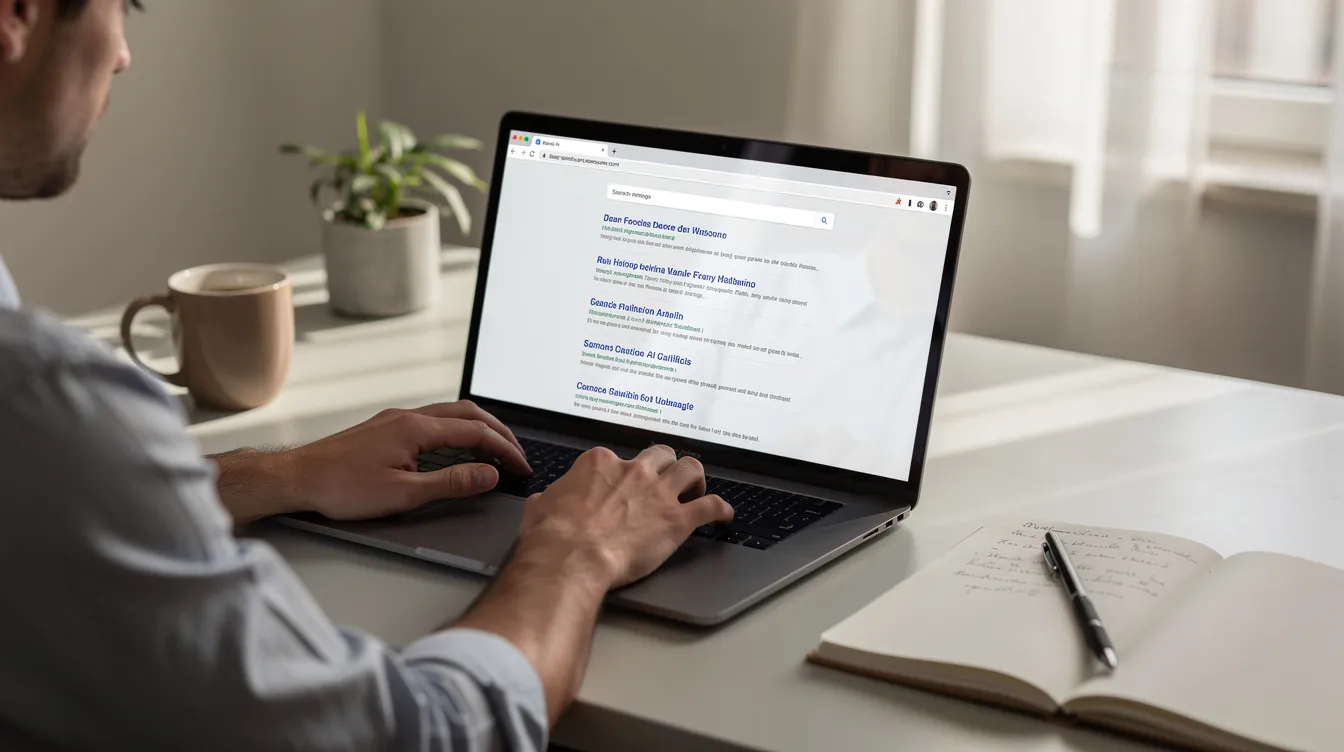
- Suppression and SEO-driven suppression: building and ranking positive content so weaker or unflattering search results move down. This can involve technical SEO, content marketing, and content creation on owned and third-party sites.
- Public relations and thought leadership: earned media placements, op-eds, and interviews that strengthen your branded search presence. Some clients also work with boutique PR teams on this piece.
- Crisis management and crisis communications: a coordinated response when a damaging event or allegation spreads quickly.
- Privacy and data-broker opt-out services: removing personal data from people-search sites to shrink an exposed digital footprint.
Some ORM companies specialize in one area, such as review management platforms or business listings tools. Software platforms often fit better for automated review generation and local SEO. Service agencies usually fit better for crisis management and search suppression. Individuals facing serious reputation issues may need a full-service agency rather than a listings tool alone, because the work involves monitoring and repairing a wider online presence, not a single channel.
Content Removal: When Can Negative Articles or Reviews Be Removed at the Source?
Careful reputation management companies try to remove harmful results at the source before they lean on suppression, but removal depends on platform rules. Content removal work is often slow, and legal routes apply only when a genuine legal basis exists. Removal takes a page or listing down at the publisher or platform. It usually works better for a small number of specific items than for a broad pattern of accurate, unflattering coverage.
Common content removal paths include:
- Policy violation reports on review sites (fake reviews, harassment, or doxxing)
- Copyright claims for copied or stolen material
- Privacy or doxxing complaints under platform rules
- Publisher corrections or retractions for inaccurate negative articles
- Legal routes such as defamation claims or GDPR requests, depending on the jurisdiction
Accurate but unflattering news is rarely removed and usually has to be handled with suppression and positive content instead. Ethical ORM companies will not promise guaranteed removals, invent legal threats, or claim they can force a de-index request through when the material is lawful and still live at the source. Some reputation management services include legal content removal strategies, but honest firms explain the limits up front. No ethical firm should promise permanent removal of accurate news or legitimate reviews.
Free Consultation
Ready to Take Control of Your Online Reputation?
Our team can help you remove, suppress, or respond to content like this. Talk to us today for a free, no-obligation consultation.
Suppression, SEO, and PR: How Firms Push Down Results They Cannot Delete
When content cannot be deleted, the usual alternative is suppression: building and promoting stronger, policy-compliant pages so that negative stories move farther down search engines over time. Negative search result suppression depends on ranking positive digital assets above the harmful ones. Positive content can suppress negative information in search results, and that work underpins most search reputation management campaigns.
SEO-focused campaigns typically involve:
- Optimizing owned sites and profiles for the keywords people actually search, including your name, brand, and products
- Publishing authoritative content such as articles, interviews, and other useful pages
- Building clean backlinks, sometimes through manual outreach, to support the authority of those positive pages
- Aligning content strategy with both traditional search engine optimization and the way AI answers now summarize a brand
Public relations campaigns and thought leadership support suppression by earning media coverage that can outrank older negative links. This kind of proactive brand building does not guarantee specific rankings, but it can shift the mix of results over time. Search algorithms change, new negative articles can appear, and AI tools may resurface old material, so suppression needs ongoing maintenance. For executives who stay in the press, periodic updates matter even more. SEO suppression, content creation, and manual outreach together form the long-term core of most reputation repair campaigns.
Review Management and Customer Feedback Programs
For many local businesses and home services companies, the best reputation management is structured review management and a steady habit of asking for honest customer feedback, not a one-time cleanup of old complaints. Reviews matter because they affect whether new customers choose to contact you.
Serious review management should include:
- Structured review requests after real transactions, using review generation tools that send SMS or email invitations
- Centralized dashboards for review monitoring across multiple review platforms
- Thoughtful responses to both praise and negative reviews
- Clear rules against fake reviews, in line with U.S. Federal Trade Commission rules on consumer reviews and paid endorsements, plus each platform’s own policies
A timely, specific response can reduce the damage of negative feedback. It will not automatically turn a bad experience into a good one, but it can show the next reader how you handle problems. Inviting a customer to discuss a concern privately after you have already replied publicly can also help you resolve the issue without a long public thread. Leaving negative reviews unanswered can weaken customer trust over time. Some programs tie review data to customer experience metrics and use alerts when ratings drop or review volume changes suddenly. The aim is to respond professionally and consistently, so the review history reflects your actual service.
Executive Reputation Management: How It Differs from Brand ORM
Executive reputation management focuses on a person’s name, biography, and leadership roles rather than the company brand. The audience can include investors, hiring managers, and board members, so a leader’s online perception becomes part of the wider industry reputation.
Typical components include:
- Shaping what appears for a name in branded search results
- Addressing negative articles or old legal stories that still surface in search
- Monitoring AI answers that summarize a career or public statements
- Coordinating messaging with legal and communications teams
- Personal branding through profiles, op-eds, interviews, and social listening
This work usually involves closer review of historic interviews, social posts, and press in more than one country, plus a higher need for confidentiality. The mix of suppression, content removal, and new publishing is often more personal and longer-running than a standard business listings program. Senior staff and public figures often benefit from working with a reputation management consultant who can clearly explain those differences before signing a contract.
Free Consultation
Talk to a Reputation Management Expert
Get a personalized plan to protect and repair your online reputation.
Crisis Management: When You Need Fast, Coordinated Help
A reputation crisis moves fast: a viral post, a sudden burst of media coverage, or AI answers that fixate on a single damaging allegation. Crisis response is a core service at many ORM companies because the first hours often decide whether the event fades or follows you for a long time.
Coordinated crisis management teams typically handle real-time crisis monitoring and social listening, response drafting with legal counsel, outreach to publishers or platforms when a correction is actually warranted, and crisis communications planning for employees, customers, and other stakeholders. They may also publish accurate new content that can rebalance the story over the following weeks.
More careful management companies prepare both an immediate response and a medium-term search-and-review plan, so a short crisis does not become the whole public record. Ask whether a firm offers after-hours coverage, a clear decision process, and a written crisis plan. Some firms say they have existing media and platform contacts, but you should ask them to explain those working relationships rather than take a sales claim at face value.
What to Expect When You Hire an Online Reputation Management Firm
A typical engagement starts with a free analysis or a paid audit of your current search results, reviews, and listings. The firm should then produce a written proposal that lists target URLs, platforms, goals, and a realistic timeline measured in weeks or months, not days. Ask each firm to walk through the specific methods it would use on your search results before you sign.
Key deliverables you should expect from serious reputation management services include:
- A written audit of your current branded search results and online reviews
- A detailed scope naming which negative articles, profiles, and review platforms will be addressed
- Clear milestones for review management, content publication, and suppression progress
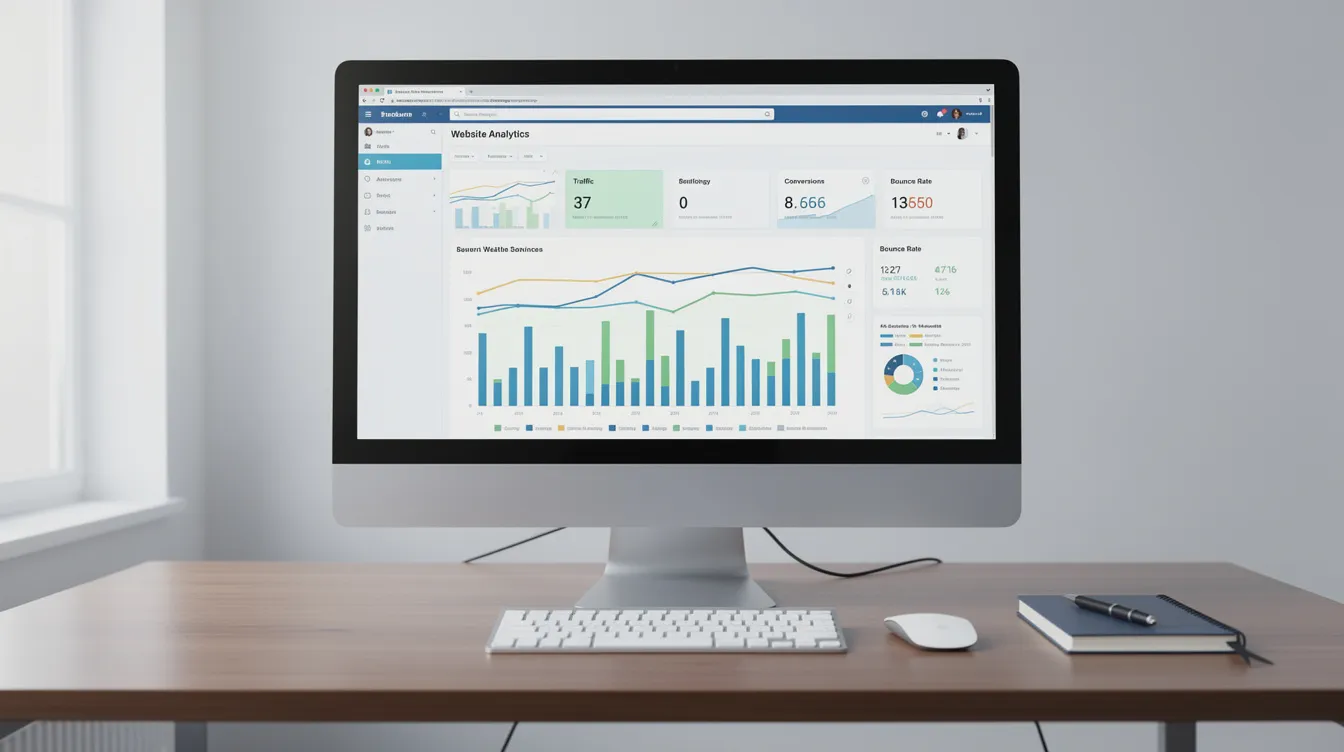
- Regular reporting: rank tracking for agreed keywords, summaries of new customer feedback, notes on removal request outcomes, and adjustments when new issues appear
The firm should draw a clear line between what can be removed at the source, what might be de-indexed, and what will need to be suppressed or balanced with new material. Request written timelines, and be cautious of anyone who avoids specifics.
For a baseline view of your current search presence, OnlineReputation offers a free, confidential analysis. Start that request on the OnlineReputation contact page or call (844) 230-3803.
How the Best Online Reputation Management Companies Price Their Work
There is no single price list for online reputation management. Annual service costs vary with the complexity of the work and the services required. Reputation management costs depend on how many issues need attention, how visible they are, and whether you need ongoing monitoring or a one-time cleanup.
Common pricing structures include:
- Project-based fees: for clearly scoped work such as content removal, profile builds, or business listing corrections
- Monthly retainers: for ongoing suppression, review management, reputation monitoring, and crisis readiness
Factors that influence cost include the number and strength of negative articles, the volume of business listings to correct, how quickly you need progress, how much new content must be created, and whether legal or technical specialists are involved. Transparent pricing matters when you compare providers, so ask for written scopes from more than one firm that show tasks, timelines, and reporting cadence. Judge the best online reputation management work by that clarity, not by a headline promise.

Free Consultation
Don't Let This Follow You Online
Every situation is different. Let's build a plan that fits yours — free consultation, no pressure.
How to Evaluate the Best Reputation Management Companies for Your Situation
Ranked “Top 10” lists are often marketing, so focus on method, ethics, and transparency instead of any single ranking. The ORM industry can attract companies that make promises they cannot keep, which is why your own vetting matters.
Practical questions to ask any reputation management firm:
- Will you explain exactly how you will handle negative reviews and fake reviews?
- Do you promise guaranteed rankings or instant removal of legitimate news? (If the answer is yes, treat that as a warning sign.)
- Will you share sample reports, and can you discuss outcomes for clients with similar reputation issues without violating their confidentiality?
- Who will do the work: senior staff or junior teams?
- How do you handle review generation, and how do you stay in line with FTC rules?
When you read a contract, look for clear opt-out terms, stated timelines, and language about what happens to content you create if you end the engagement. You can also check a firm’s public track record, including any Better Business Bureau profile, and compare that against the claims in the sales conversation.
Warning signs include offers to post fake reviews, create impersonation sites, or threaten platforms without a legal basis. Those tactics can create new reputation risk. Ask for documented examples of the firm’s process, consider whether it has worked in your industry, and match the firm type to your needs: a full-service ORM team, a review-only tool, or a privacy and data-broker opt-out service.
Why “Top 5 Reputation Management Companies” Lists Can Be Misleading
Many “best online reputation management” and “top 5 reputation management companies” articles are affiliate or lead-generation pages, not independent audits. Rankings rarely disclose the underlying data, and they may lean on review counts that are easy to inflate or on paid placements.
You will often see perfect star ratings, “top service” mentions from a media outlet, or claims that a firm specializes in one narrow tactic. Even when a cited rating is current, it does not tell you whether that company is the right fit for your industry, budget, or type of reputation issue. The same problem applies to “top reputation management companies” roundups that never explain their method.
Use those lists only as a way to discover names, then apply your own checklist. The best online reputation management companies for you will understand your goals, set realistic timelines, and be explicit about what they can and cannot do. OnlineReputation’s role here is educational: compare options carefully before you sign a long contract. A query about the “top 5 marketing companies” is a different question entirely, and a marketing-agency ranking is not a substitute for an ORM evaluation.
Privacy, Data-Broker Opt-Outs, and AI Answers
Modern reputation management now includes privacy clean-up and attention to AI answers, not only the traditional search results page. Monitoring brand mentions helps you understand your digital footprint, which now extends well beyond Google.
Data-broker opt-out work can reduce unwanted personal details on people-search sites. Those sites often feed both human searches and AI answers, so removing stale or inaccurate information can change what appears downstream later. AI systems can mix legitimate negative articles, old reviews, and outdated content into a single summary, so it helps to keep accurate, current information easy to find.
Some management companies now watch how a brand appears in AI answers, then adjust content strategies to influence those summaries over time. Privacy work and ORM often overlap, especially for executives and professionals whose home addresses, contact details, or past jobs are widely listed. For organizations with global reach, the same issues can appear in multiple countries and under multiple sets of rules.
Free Consultation
Ready to Take Control of Your Online Reputation?
Our team can help you remove, suppress, or respond to content like this. Talk to us today for a free, no-obligation consultation.
When to Handle Reputation In-House Versus Hiring Outside Help
Many organizations can handle basic review replies, social listening, and business listing corrections internally at first. If your reputation issues are limited to a few recent negative reviews or minor listing errors, an in-house team with the right tools can often manage the work.
Outside management companies are usually a better fit when you face persistent negative articles on page one, coordinated fake reviews, complex crisis management that requires legal coordination, or executive reputation management across more than one country or language.
In-house control can be faster and cheaper for everyday work, and the people closest to the customer already know the context. It also has limits: less legal experience, fewer content channels, and less capacity to run a long SEO suppression campaign. A hybrid approach is common. Internal teams own everyday customer feedback, social engagement, and basic review monitoring, while an outside reputation management firm handles search suppression, content removal, and crisis planning.
If you are unsure whether to keep the work in-house or hire a firm, OnlineReputation offers a free, confidential analysis of your current online perception. You can reach the team through the OnlineReputation contact page or call (844) 230-3803.

FAQ: Best Online Reputation Management Companies and Services
How Long Does It Usually Take to See Results from an ORM Campaign?
Timelines vary. Small review-only projects may show progress in a few weeks, especially when the work is review generation and better responses. Pushing strong negative articles off page one of search engines often takes several months of consistent suppression, content creation, and monitoring. Treat any firm that offers overnight results with caution.
Can a Reputation Management Company Guarantee to Remove Negative Reviews or News?
No ethical firm can guarantee removal of accurate content. A careful provider will discuss probabilities, policy checks, and backup strategies rather than making absolute promises. Removal is more realistic for content that violates platform policies. Truthful reporting and legitimate reviews generally cannot be deleted on demand.
What Is the Difference Between Business Reputation Management and Executive Reputation Management?
Business ORM focuses more on customer feedback, ratings, and business listings across locations, often involving review platforms and local SEO. Executive reputation management centers on the individual leader’s search results, press coverage, and longer public narrative, with more emphasis on personal branding, privacy, and confidential strategy.
How Do I Know If Fake Reviews Are Hurting My Business?
Look for patterns such as sudden review spikes, repeated wording across accounts, locations that do not match your real customers, or ratings that diverge sharply from other customer feedback. A reputable firm can help you investigate and flag suspected fake reviews so platforms can review them under their policies.
Is It Worth Paying for Ongoing Reputation Monitoring After a Problem Is Fixed?
Ongoing monitoring is often useful, especially for executives and multi-location brands. It helps you react to new negative reviews, changes in AI answers, or emerging negative articles before they settle into the first page of results. Real-time monitoring is standard in many longer ORM engagements because reputation risk doesn’t end when the first cleanup is finished.
Is There a Single Best Reputation Management Company?
No. The right reputation management company depends on your goals, the platforms involved, and whether you need review management, content removal, suppression, crisis help, or privacy opt-outs. A firm strong in local SEO and review generation may be a poor fit for executive search repair, and vice versa.
How Much Do Reputation Management Services Typically Cost?
There is no typical flat rate that applies to every case. Reputation management services are usually priced as a project fee or a monthly retainer, and the total depends on the number of listings, the difficulty of the search results, and the mix of services. Ask for a written scope instead of relying on a published package price.
What Is the Difference Between ORM Platforms and Agencies?
Online reputation management platforms are software tools that collect reviews, manage business listings, and monitor mentions, often with local SEO features. Agencies and other service firms do hands-on work such as content removal, SEO suppression, public relations, and crisis response. Many buyers use a platform for day-to-day review management and hire a firm only when the problem is larger than a listings dashboard can fix.
Free Consultation
Talk to a Reputation Management Expert
Get a personalized plan to protect and repair your online reputation.
You might also like
How To Remove Mugshots Online: Practical Steps, Legal Options, And Long-Term Strategy
To remove mugshots online, start by requesting removal from each website hosting the booking photo, then ask Google to refresh …
