
Do phone numbers get recycled? Yes. Every major U.S. carrier routinely reassigns disconnected phone numbers to new subscribers after an FCC-regulated aging period. Around 35 million phone numbers are recycled annually in the U.S., and in high-demand area codes, up to 20% are recycled each year. If you have ever changed carriers, dropped a line, or let a prepaid plan lapse, your old number is almost certainly in someone else’s pocket right now.
That recycling process creates real problems for both the previous owner and the new user: account takeovers, misdirected two-factor authentication codes, debt collection calls, caller ID mismatches, and lasting damage to online reputations.
Key Takeaways
- U.S. carriers recycle disconnected phone numbers after a mandatory aging period. Carriers must wait at least 45 days before reassigning a recycled number in the U.S., though telecom providers typically wait 90 days before recycling numbers.
- Phone number recycling can lead to unauthorized account access, misdirected 2FA codes, and identity confusion for both the previous and new owners.
- The FCC’s Reassigned Numbers Database helps callers avoid dialing reassigned numbers, but it doesn’t address risks tied to SMS-based authentication or misattribution in people searches.
- Protect yourself by updating all accounts before switching numbers, moving to authenticator apps, checking a new number’s online history, and correcting wrong people-search or spam labels.
- Complex cases involving executives, licensed professionals, or severe mislabeling may warrant professional reputation management support from a firm like OnlineReputation.com.
What Is Phone Number Recycling and Do Phone Numbers Get Recycled?
Phone number recycling (also called reassignment) is when telecom providers take a disconnected mobile number or landline number and later assign it to a new subscriber. A recycled phone number is one previously used by another subscriber. Phone number recycling occurs after deactivation by telecom providers.
All major U.S. carriers recycle phone numbers. They cannot create unlimited new numbers; the North American Numbering Plan caps available 10-digit combinations, so carriers recycle numbers to manage limited availability. Phone number recycling is common because the supply of phone numbers is finite.
A few terms worth clarifying:
- Phone number vs. mobile number: “Phone number” covers both wireless and wireline lines. “Mobile number” refers to wireless service only.
- New user vs. previous owner: The new user is whoever receives the recycled number. The previous owner is whoever had it before disconnection.
- Number deactivation vs. porting: Deactivation means the line is shut off (cancellation, nonpayment). Porting means transferring an active number to another carrier; when a user switches providers, they keep the number.
Recycling affects both consumer mobile phone numbers and business phone numbers, including lines used for customer support, sales, and 2FA. The practice isn’t new, but its security and reputational impact has grown as phone numbers became core digital identifiers for logins, password resets, and messaging apps.

Free Consultation
Don't Let This Follow You Online
Every situation is different. Let's build a plan that fits yours — free consultation, no pressure.
How Phone Number Recycling Works in the U.S.
The typical lifecycle looks like this: active phone number, then number deactivation or disconnection, then an “aging” or quarantine period, then assignment to a new subscriber.
When a customer cancels service, ports out, or stops paying, the carrier disconnects the phone number and eventually reports it as permanently disconnected. The disconnected number enters a carrier-managed aging pool designed to reduce overlap between the previous owner’s contacts, 2FA codes, and calls and the new user’s experience.
After the aging period expires, the number returns to available inventory and can be issued to a new user, often in the same geographic area code. Businesses typically have no automatic way to know a mobile number was reassigned unless they use specialized phone number intelligence services or the FCC Reassigned Numbers Database.
FCC Aging Rules and How Long Until a Phone Number Is Recycled
FCC rules require U.S. carriers to observe an aging period before reassigning permanently disconnected numbers. Under 47 CFR §52.15(f)(1)(ii), the minimum aging period is 45 days. Carriers must wait a minimum of 45 days before reassigning a recycled number in the U.S. Residential numbers may be aged up to 90 days; business numbers up to 365 days. Telecom providers typically wait 90 days before recycling numbers.
Aging periods differ by carrier, region, and number type (wireless vs. wireline). High-demand area codes may push carriers toward the shortest compliant intervals. A 2021 Princeton study found that customer service agents at T-Mobile and Verizon gave inconsistent answers about aging windows; some said 60 days, others said six months. Carrier documentation and frontline agent knowledge vary.
The FCC focuses on balancing consumer protection (fewer wrong-number calls) with finite numbers. The rules were not designed to eliminate SMS-based account takeover risk, which is a newer concern driven by the growth of phone number verification in digital services.
The FCC Reassigned Numbers Database (RND)
The Federal Communications Commission established the Reassigned Numbers Database in December 2018 to help callers avoid dialing phone numbers that have been permanently disconnected and reassigned. The FCC maintains a Reassigned Numbers Database to help businesses avoid unwanted calls to recycled numbers.
The database launched for paid subscribers on November 1, 2021, and is administered by SomosGov Inc. As of recent data, the RND contains over 361 million geographic and toll-free numbers.
How it works: service providers upload permanently disconnected phone numbers on a monthly basis. Callers query specific phone numbers and a “last consent date” to check whether a number has been reassigned since then. The database returns “Yes,” “No,” or “No Data.”
A “No” response grants callers Safe Harbor under the Telephone Consumer Protection Act (TCPA), reducing liability if they inadvertently reach a new user. This matters for businesses relying on outbound calling lists.
The limits are real: the RND helps legitimate callers avoid bothering new users and previous users, but it does not stop SMS 2FA messages, social-media logins, or password reset codes from reaching recycled numbers. It does nothing to prevent people-search site entries, caller ID mismatches, or authentication codes from going to the wrong person.
Free Consultation
Ready to Take Control of Your Online Reputation?
Our team can help you remove, suppress, or respond to content like this. Talk to us today for a free, no-obligation consultation.
Why Recycled Phone Numbers Are a Security and Fraud Risk
Mobile phone numbers now function as login keys and identity tokens. Many services use SMS for two-factor authentication or password resets. When those numbers get recycled, account security breaks down for both the previous owner and the new user.
Key risk areas:
- Account takeover: Malicious actors may target recycled numbers for SMS-based account takeovers. Recycled numbers can lead to unauthorized account access. Fraudsters exploit recycled numbers to bypass security measures.
- Private message exposure: Recycled numbers can receive sensitive messages meant for previous owners, including medical reminders, banking alerts, and authentication codes.
- Impersonation: Bad actors can use the recycled number to impersonate individuals on messaging platforms, payment apps, and social networks.
- Verification failures: Phone number verification workflows assume a number maps 1:1 to the same person over time. That assumption breaks under heavy phone number recycling.
A 2021 Princeton University study examined 259 phone numbers available to new subscribers and found 171 (66%) were still tied to existing accounts on popular websites. Of those, 100 (39%) appeared in previously leaked credential sets. About 10% of the recycled numbers the researchers monitored received security- or privacy-sensitive messages within one week of assignment.
Fraudsters can deliberately seek recently disconnected numbers through prepaid SIMs to probe which online accounts are still tied to them, turning recycled number fraud into a targeted attack vector.
Risks for the Previous Owner of a Recycled Number
Once your mobile number is recycled, anyone who receives it may see texts, calls, and 2FA codes meant for you if you have not removed your old number from your accounts.
The account takeover threat is direct: attackers or new users can use SMS password-reset links to access email, banking, cloud storage, and social-media profiles still tied to the old number. SMS-based phone number verification and one-time passcodes become a critical vulnerability when you change numbers but leave accounts using the old mobile number for login or recovery.
The previous owner can be impersonated if the new holder uses SMS verification to sign in to services like WhatsApp, ride-sharing apps, or peer-to-peer payment platforms linked to the old phone. Recycled numbers can still be linked to previous owner’s accounts, making this a persistent risk until every account is updated.
The reputation angle matters too. If the new owner uses the recycled phone number to send spam, commit fraud, or engage in social engineering attacks, databases, screenshots, and public records may still associate those actions with the original owner’s name. Because every public interaction shapes brand reputation, data brokers update slowly, and customer data corrections can take months.
Risks for the New User Who Receives a Recycled Number
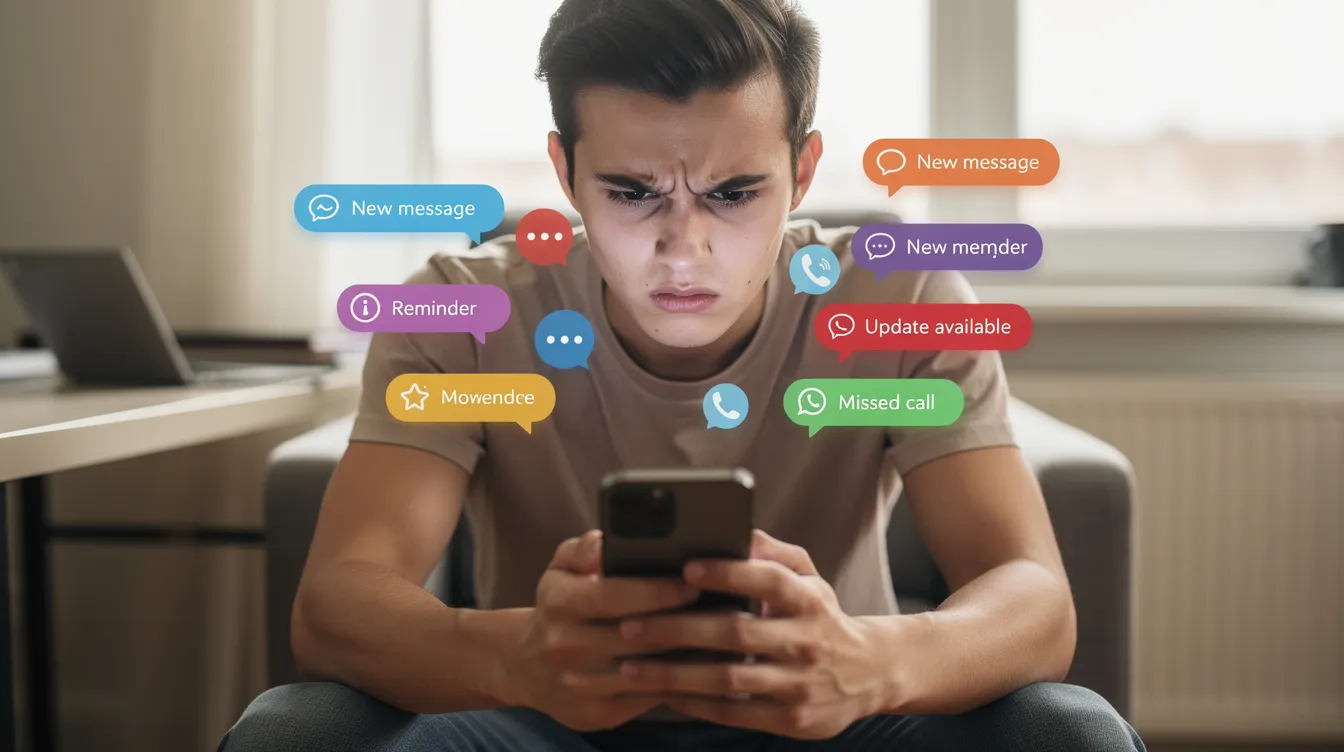
New users often discover their “new” mobile number has a past. Recycled numbers can cause account-recovery conflicts for new owners. Persistent spam and robocalls may continue for new owners of recycled numbers.
What a new user might encounter:
- Sensitive content: Medical appointment reminders, banking alerts, password reset links, and other private data meant for the previous owner.
- Reputation problems: The number may already be flagged as spam or scam in carrier analytics, crowd-sourced apps, or call-blocking tools, causing outgoing calls to show “Scam Likely.”
- People-search mismatches: Data brokers may still show the previous owner’s name when someone looks up the recycled number, creating confusion in hiring, dating, or business contexts. Contact details in these records point to the wrong person.
- Debt collection and legal calls: Collection agencies, law firms, and government offices may still be dialing the recycled number, linking the new user to someone else’s debts or legal matters.
A fresh start with a new number is not guaranteed to be clean.
Free Consultation
Talk to a Reputation Management Expert
Get a personalized plan to protect and repair your online reputation.
How Recycled Numbers Can Damage Your Online Reputation
OnlineReputation.com readers should care because reused phone numbers can tie their professional or personal brand to another person’s digital footprint, making an ongoing online reputation protection checklist and monitoring plan especially important.
Caller ID and CNAM records may display the wrong name when a recycled phone number calls others. This causes mistrust, missed calls, or mistaken identity in professional settings. Crowdsourced call-blocking apps and carrier spam filters may already classify the number as “high risk,” hurting response rates for salespeople, job seekers, doctors, and attorneys.
Data brokers, people-search websites, and background report services can show mismatched profiles: your name with another person’s phone number, or your new number still attached to an ex-owner’s criminal, financial, or reputational issues. For public figures, licensed professionals, and executives, these mismatches can escalate into a personal reputation crisis that harms relationships and careers, leading to lost opportunities, failed due-diligence checks, or false assumptions about their credibility. Credit fraud cases tied to a prior owner’s identity can surface in background screening, creating operational challenges for anyone whose customer records or contact details are contaminated.
What Businesses and Platforms Should Do About Phone Number Recycling
Organizations relying solely on phone number verification, SMS OTPs, and “one number per user” policies must adapt to frequent number deactivation and reassignment.
Concrete steps:
- Implement a multi-layered defense for authentication: Combine SMS with device behavior signals, authenticator apps, passkeys, or biometric authentication. Treat a mobile number as one factor, never the sole proof of identity. This approach will reduce fraud tied to recycled numbers.
- Detect reassignment before allowing high-risk actions: Real-time phone verification can detect deactivated or reassigned numbers. AI and machine learning can flag recently reassigned phone numbers before a password reset or payment method change goes through. Continuous verification transforms phone numbers into dynamic identity signals rather than static identifiers.
- Reconfirm number tenure periodically: At login, during key transactions, or after prolonged inactivity, ask users to verify their current mobile number instead of assuming the saved one still belongs to the same person.
- Maintain accurate customer records: Honor number change requests promptly, sync CRM systems, and scrub calling lists using the FCC Reassigned Numbers Database to avoid wrong-party contacts and possible TCPA claims. This addresses both fraud prevention and compliance.
These measures protect customer accounts from recycled-number fraud while shielding businesses from identity-verification failures and financial-fraud liability.
Checklist: How to Protect Yourself Before and After Your Number Is Recycled
Before you switch numbers:
- [ ] Inventory every account that uses SMS or voice for 2FA or recovery: email, banks, investment platforms, social networks, messaging apps (WhatsApp, Signal, Telegram), cloud storage, government portals.
- [ ] Switch your most important accounts from SMS 2FA to an authenticator app or hardware key wherever the service supports it.
- [ ] Update your phone number on all critical accounts, then remove the old number entirely so password resets cannot be routed to a recycled phone number.
- [ ] Enable backup codes and alternate recovery methods (like a secondary email) so you do not need to rely on a mobile number for account recovery.
After you get a new number:
- [ ] Search the new number in Google (in quotation marks), on major social networks, and inside messaging apps to see if it is tied to another person or linked to an existing profile.
- [ ] Monitor the first few weeks for misdirected messages, 2FA codes, and collection calls. If the volume is high or includes sensitive content, request a different number from your carrier.
- [ ] Register an accurate caller name (CNAM) through your carrier or VoIP provider. Dispute or report incorrect spam labels with carrier spam-report forms or call-blocking apps.
- [ ] Periodically check people-search websites to ensure your current phone number is tied to the right name. Submit opt-out requests where it is not.
Free Consultation
Don't Let This Follow You Online
Every situation is different. Let's build a plan that fits yours — free consultation, no pressure.
How to Check a New Mobile Number’s History and Clean Up Data Broker Records
You cannot see a complete ownership history for a phone number, but you can spot red flags that it has a messy past or is misattributed in public records.
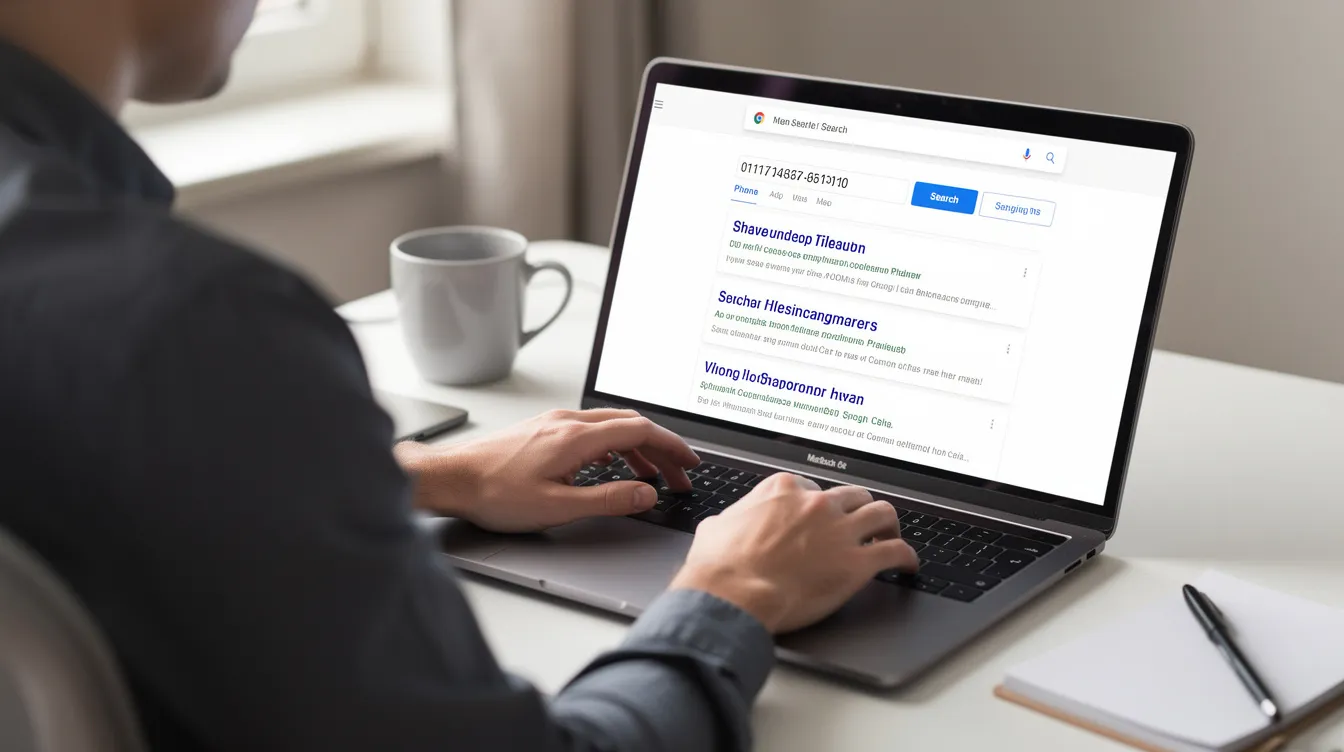
Basic searches: Put the new phone number in quotation marks in Google, Bing, and DuckDuckGo. Look at cached pages and note any names or businesses that appear alongside the number. Active links to social profiles, business listings, or news articles under another person’s name are warning signs.
Messaging and social apps: Check whether the number triggers an existing WhatsApp profile photo, a Telegram account, a Signal registration warning, or social-media “find friends” results for another person. These are entry points for identity confusion.
People-search sites: Use major people-search and data broker portals to see whether the mobile number is already part of a consumer profile. Note whose name and address it is attached to. If the number is incorrectly tied to you or to someone whose reputation could harm yours, submit opt-out or correction requests to those data brokers. OnlineReputation.com specializes in coordinating broad, repeated removals for clients who need deeper cleanup across dozens of databases and can also recommend monitoring tools to track personal and brand mentions across the web.
When to Ask Your Carrier for a Different Number
Not every recycled number is problematic, but some are so contaminated by past use that changing again is the simplest fix.
Warning signs that justify a number change:
- Constant calls or texts for another person
- Frequent 2FA codes from services you never signed up for
- Repeated calls from debt collectors or law offices asking for someone else
- Immediate “Scam Likely” labels on your outbound calls
- Suspicious numbers calling repeatedly with social engineering attempts
In these cases, contact your carrier’s customer support, document the issue (dates, example messages, caller IDs), and request a different phone number in the same area code. After the switch, perform the same checks (web search, messaging apps, spam label monitoring) on the replacement number during the first week.
Business owners using their number for sales or client work should be especially proactive. Response rates and trust suffer when the underlying mobile number has a bad reputation because every customer interaction and public mention shapes overall brand reputation. Switching is cheaper than losing customers.
When Professional Reputation Help Makes Sense
Most individuals can handle recycled number issues on their own using the checklist above. Some situations justify professional online reputation management consultants who can assess, monitor, and repair your broader digital presence.
Scenarios where expert help pays off:
- Executives whose mobile numbers appear in negative content about a prior owner
- Professionals whose caller ID shows the wrong name during client calls
- Victims whose new number is linked in people-search results to someone with a criminal history, creating privacy breaches and trust problems
- Cases involving business email compromise or a successful phishing attack traced back to a recycled number
A firm like OnlineReputation.com can audit where a phone number appears online, coordinate data broker opt-outs, work with publishers to correct contact details, and advise on safer authentication flows and communication practices. Before engaging any provider, vet potential reputation management and PR agencies with clear questions about services, timelines, and monitoring. Ongoing monitoring catches new profiles tying the number to the wrong person, new spam reports, or fresh mentions that could undermine brand trust. Dedicated online reputation management tools help you stay ahead of these issues, which is far cheaper than repairing damage after they compound.
If you rely on a single mobile number for clients, media, or legal work, evaluate whether a proactive reputation strategy would reduce long-term risk. Following a structured, seven-step approach to preventing online PR crises can make you more resilient when number-based identity problems arise. The malicious exploitation of recycled numbers is growing, and the underlying vulnerability will persist as long as carriers and platforms treat phone numbers as permanent identifiers.
Free Consultation
Ready to Take Control of Your Online Reputation?
Our team can help you remove, suppress, or respond to content like this. Talk to us today for a free, no-obligation consultation.
Frequently Asked Questions
How common is phone number recycling in the U.S.?
Recycling is routine. About 35 million phone numbers are recycled annually in the U.S., and up to 20% of numbers in high-turnover area codes are recycled each year. The available pool of 10-digit phone numbers in many area codes is finite, and demand for mobile numbers keeps growing. Any “new” mobile number may have belonged to someone else in the recent past, which is why relying solely on SMS-based phone number verification is risky for long-term account security. SIM swaps and data breaches compound the problem.
Can I stop my old phone number from ever being recycled?
Consumers generally cannot permanently reserve a standard mobile number once it is disconnected. Carriers control number deactivation and reassignment. The most practical mitigations: port the number to a low-cost VoIP or virtual number service instead of disconnecting it, or keep it as a secondary line used only for 2FA until you transition accounts off SMS. The most important step is removing the old number from critical accounts before cancellation so that, even if it is recycled, it cannot be used for identity theft or to reset your passwords.
Is using SMS for two-factor authentication still safe if numbers are recycled?
SMS-based 2FA is safer than no 2FA, but weaker than app-based authenticators or hardware security keys. Recycling, SIM swaps, and SMS interception all make text messages a less reliable second factor. Use authenticator apps or security keys for important accounts (banking, email, cloud storage) and reserve SMS 2FA only for low-risk services or as a backup method. This approach limits your exposure to both recycled-number fraud and identity-verification failures.
What should I do if I’m getting 2FA codes and sensitive texts for someone else?
Do not click links or attempt to log into any accounts tied to those messages. You can reply once to let the sender know they have the wrong number, especially if it’s a bank, doctor’s office, or small business that can alert the real customer. If you receive a high volume of misdirected codes and messages, or if they include legal and financial notices, the safest move is to request a different mobile number from your carrier. Document what you receive, including dates and sender details, before switching.
Can a recycled number hurt my chances with employers or background checks?
Yes. Mismatched data broker records can confuse employers, landlords, or lenders who use automated reports that tie a phone number to another person’s history. Credit fraud cases can surface under the wrong name. Proactively search your phone number on major people-search platforms and start opt-outs or corrections if your number appears under the wrong name. In high-stakes roles or regulated professions, a clear plan to respond to online attacks and complaints, plus an online reputation firm to audit and correct these customer records, provides additional protection against real-time verification failures during background screening.
Free Consultation
Talk to a Reputation Management Expert
Get a personalized plan to protect and repair your online reputation.
You might also like
StateRecords.org Opt Out: How to Remove Your Information
If your name, address, criminal records, or other personal details appear on StateRecords.org, you can complete a StateRecords.org opt-out for …
