
This article discusses how PR plays an integral role in a full-scale online reputation campaign.
Online reputation management (ORM) is most often associated with content creation, review management and search engine optimization (SEO). However, if your strategy ends there, you’ll miss out on one of the most powerful drivers of online credibility: public relations (PR).
PR shouldn’t be considered separate from an ORM campaign. Instead, it’s one of the best tools you have for building long-term authority, influencing search results and shaping the public’s perception of your brand. When used strategically, PR strengthens your entire ORM strategy, from thought leadership to crisis response.
Here’s how PR fits into and elevates a comprehensive ORM campaign.
It’s possible to create a robust, positive online reputation even if you’re starting from zero or rebounding from a PR crisis. Explore our services or call us at 844-230-3803 for more information.
What’s the Difference Between PR and ORM?

Before we discuss how PR and ORM work together, let’s go over their differences. Here’s what each discipline focuses on:
Online Reputation Management
- Managing online reviews
- Monitoring search results
- Promoting positive content
- Protecting a brand’s digital identity
- Suppressing negative content
- Tracking brand sentiment
Public Relations
- Brand positioning
- Crisis communication
- Influencer relationships
- Media outreach
- Press coverage
- Strategic messaging
While ORM may initially seem technical and PR comes off as driven by narrative, the two actually intersect more than you’d expect. For example, media coverage impacts search engine results, and messaging influences brand sentiment. Essentially, PR gives credibility to brands, and ORM ensures that credibility is visible.
Public Relations Strategies for Corporate Reputation Management
Let’s dive into some of the leading PR strategies that are part of a broader ORM campaign.
Earned Media Is Excellent for Building Authority

In ORM campaigns, credibility and visibility both matter.
While your company can publish numerous blog posts that discuss your team’s expertise, validation from a trusted third party carries more weight. For example, commentary or a feature in an outlet like Forbes sends a stronger trust signal than an article on your blog.
It’s not just your audience who takes notice of this, either — search engines like it, too. When a high-authority publication gives you a backlink, it can:
- Help your pages rank higher
- Improve your domain authority
- Increase search strength for branded keywords
- Reinforce your brand’s expertise and trustworthiness
From a psychological perspective, earned media creates social proof. When a potential client or customer researches a company (or an employee of that company), credible media coverage can turn them from skeptical to trusting.
Other Ways to Build Brand Authority
Brands can further build authority by sharing the following types of company information and experiences:
- Community involvement
- Corporate social responsibility initiatives
- Industry recognition
- Innovation stories
- Leadership milestones
- Product launches
Gaining positive media coverage for these types of effort generate awareness and creates durable digital assets that will rank for branded searches. In competitive industries, this visibility is even more important, as it influences customer confidence, investor trust and recruitment efforts.
Public Relations Strengthen Search Results
Online reputation management campaigns tend to prioritize control of page one of search results. The goal is usually to ensure the first page of Google results reflects accurate, authoritative and positive information about the brand. Public relations has a part to play here — an important one. With PR, you can create assets that search engines want to rank.
Let’s say an ORM expert is able to secure any of the following:
- Guest column
- Expert quote
- Industry award
- Media feature
- Podcast interview
These types of placements rank well in search engines, especially if they appear on trusted domains. With time, they’ll outrank negative or outdated content, too.
This coverage is especially important for a reputation repair campaign. If poor news coverage ranks highly, a proactive PR campaign can introduce fresh, positive content that competes in search results. Instead of trying to erase negative content, which often isn’t possible, the strategy aims to dilute and displace the unwanted information.
We work with clients to help them build their online reputation and take control of their digital presence. Give us a call at 844-230-3803 to learn more about our services.
PR Is an Essential Component of Reputation Repair
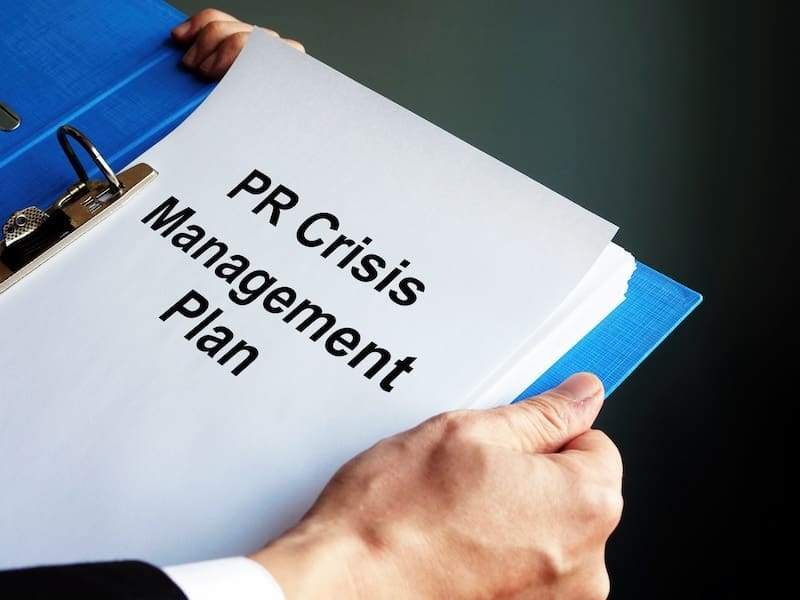
In a brand crisis, silence can cause nearly as much damage to the company as the initial problem. An effective crisis response requires the framing of a controlled narrative, which includes clear messaging, media coordination and issuing timely statements.
PR professionals can help with the following:
- Coordinating interviews
- Drafting official statements
- Ensuring consistency across platforms
- Preparing leadership for public scrutiny
- Preventing inflammatory messaging
The goal goes beyond simply responding to also influencing how the story is told. PR shapes the brand’s public-facing response, while ORM monitors the digital impact.
When handled with care, a brand crisis can become a chance to demonstrate the company’s accountability, leadership and transparency. On the other hand, if it’s handled poorly, it can lead to years of negative search results and sustained damage to your reputation.
PR Also Supports Personal Reputation Management
For entrepreneurs, executives, professionals and public figures, online reputation is closely linked to professional opportunities. When it comes to personal reputation management, a strong PR strategy may include:
- Expert quotes in news articles
- Industry commentary
- Podcast guest appearances
- Professional profile optimization
- Speaking engagements
- Thought leadership articles
When individuals become known as experts in their field, search engines reinforce that authority with high rankings. With time, branded search results may display articles, commentary and interviews instead of weak or outdated content.
With PR as part of personal ORM, you can build a digital footprint that protects against future reputation attacks and proactively establishes your credibility.
Measuring PR’s Impact on Online Reputation
The great news about PR strategies as part of ORM is that they’re measurable, not abstract. Key indicators of success include the following:
Media Mentions and Authority
- Brand messaging is consistent everywhere
- High-quality, relevant publications link back to your content
- There’s strong domain strength where your branded content is placed
Search Engine Improvements
- Authoritative domains are more visible
- Negative listings are suppressed
- Positive content moves to page one of search results
Sentiment Trends
- Negative keyword associations are reduced
- Review tone changes for the better
- Social media engagement increases
Traffic and Conversions
- Branded search growth improves
- Inquires and leads increase
- Media placements lead to referral traffic
Today, online reputation management is more important than ever before. Get started with a free analysis here or explore our services.
Wrapping Up
Public relations shouldn’t be thought of as an optional add-on to an ORM campaign. Instead, it’s a foundational component of building long-term credibility.
While ORM manages what appears online, PR shapes what’s created to start with.
When tackled together, PR and ORM can transform your brand from reacting for the sake of damage control to proactively improving brand leadership. Organizations and individuals that are serious about protecting and improving their digital presence should add PR to their ORM campaign without hesitation.
OnlineReputation.com provides information and services to help you protect your digital presence. Get started with a free online reputation analysis here.
You might also like

Your Essential Guide to Web Reputation Check Techniques
This article discusses how PR plays an integral role in a full-scale online reputation campaign. Online reputation management (ORM) is …
