
Artificial intelligence (AI) has brought about remarkable advancements, but it also poses certain risks to one’s online image. In this article, we will explore how AI systems can potentially harm your reputation, and we’ll also dive into effective measures to safeguard it.
It’s possible to create a robust, positive online reputation even if you’re starting from zero or rebounding from a PR crisis. Explore our services or call us at 844-230-3803 for more information.
The Dark Side of AI
Everyone is talking about the positives of AI technologies, but you cannot ignore the negatives. While AI systems have undeniably revolutionized various facets of our lives, their dark side poses a formidable challenge. Understanding AI’s nuanced threats is essential for individuals and businesses seeking to fortify their digital presence. Let’s delve deeper into the ominous aspects of AI that can cast a shadow over your online standing.
Deepfakes and Manipulated Content
At the forefront of AI’s threats is the emergence of deepfake technology. This sophisticated application of AI allows malevolent actors to create hyper-realistic forged content, including videos, audio recordings, and images.
Imagine the potential harm of a manipulated video circulating on social media, especially one that portrays individuals engaging in activities they never participated in. Deepfakes not only erode trust but also have the power to damage reputations irreparably.
In 2019, a deepfake video featuring Facebook CEO Mark Zuckerberg went viral on Instagram. The fabricated video showed Zuckerberg boasting about his control over people’s data. While raising awareness about deepfake technology was a stunt, it highlighted the potential of AI tools.
Automated Social Media Attacks
The rise of automated bots fueled by AI algorithms has brought on a new wave of social media attacks. These bots can be programmed to spread misinformation, engage in smear campaigns, or even impersonate real individuals.
With the capacity to mimic human interactions convincingly, they can tarnish reputations by manipulating public opinion and fostering an environment of distrust.
X has been a battleground for automated social media attacks. Bots, powered by AI algorithms, have been used to spread false information, amplify divisive narratives, and impersonate real users.
The 2020 U.S. Presidential elections saw a surge in automated accounts disseminating misinformation, influencing public opinion, and contributing to a toxic online environment that can harm reputations.
We work with clients to help them build their online reputation and take control of their digital presence. Give us a call at 844-230-3803 to learn more about our services.
Algorithmic Bias and Discrimination
Despite the promises of objectivity, AI systems are not immune to bias. In the context of online reputation, biased algorithms can perpetuate discriminatory practices, leading to unfair treatment of individuals or communities. Whether through search engine results or targeted advertising, algorithmic biases can amplify existing stereotypes and prejudices, negatively impacting the perceived reputation of those affected.
Google’s search algorithms have been scrutinized for exhibiting biases. In 2018, it was revealed that the image-recognition feature of Google Photos showed racial bias by mislabeling photos of individuals, predominantly people of color.
Such biases in algorithms can affect search results, potentially leading to unfair profiling and damaging the online reputation of political figures, celebrities, and even common people or communities.
Privacy Invasion and Data Exploitation
The proliferation of AI-driven data analytics has raised concerns regarding privacy invasion and data exploitation. Unscrupulous actors can leverage AI algorithms to mine vast amounts of personal information, leading to the exposure of sensitive data.
Misusing such data jeopardizes individual privacy and opens the door to reputational harm as personal details are weaponized against individuals or organizations.
The Cambridge Analytica scandal highlighted the misuse of personal data for political purposes. Advanced data analytics, including AI applications, were employed to harvest and exploit the personal information of millions of Facebook users without their consent. This incident breached privacy and triggered a severe backlash against Facebook, impacting its reputation and user trust.
Social Engineering and Phishing Attacks
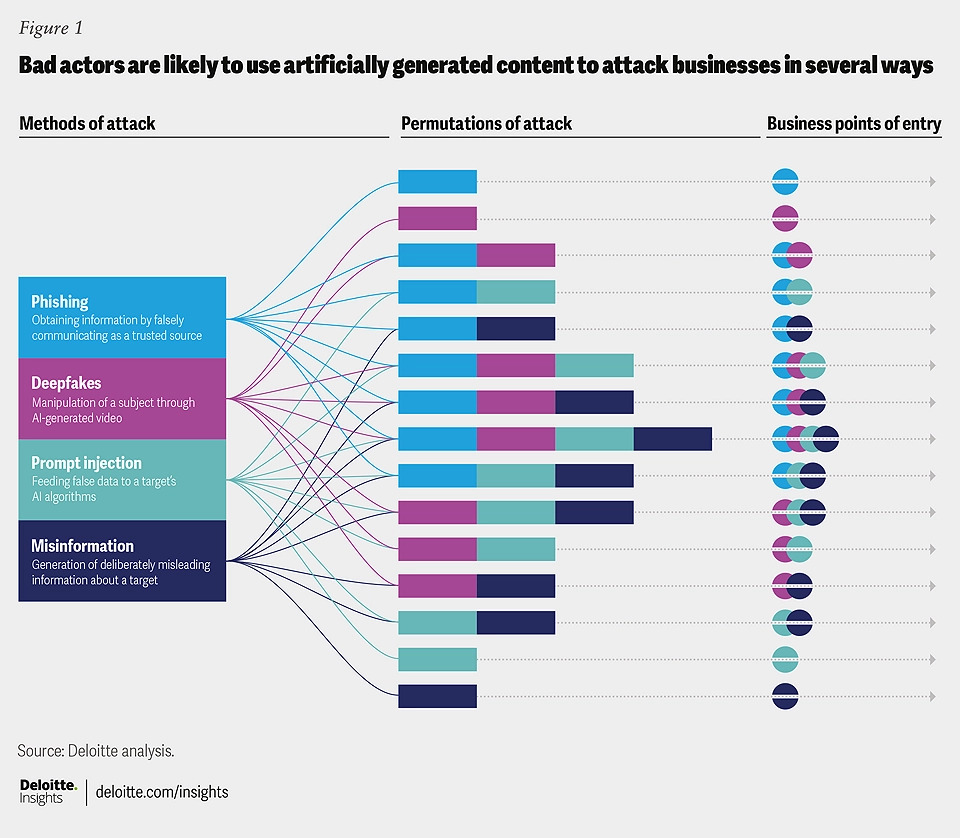
AI systems can enhance the sophistication of social engineering and phishing attacks. By analyzing vast datasets, AI algorithms can craft targeted and convincing messages, making it increasingly challenging for individuals to discern genuine communication from malicious intent. Falling victim to such attacks can severely affect one’s online reputation, as exploiting personal information erodes trust.
Furthermore, cybercriminals can use AI algorithms to analyze publicly available data and craft highly personalized phishing emails. Such attacks pose financial risks and damage the targeted individual’s or organization’s reputation for cybersecurity vigilance.
Understanding the dark side of AI algorithms and systems is the first step in devising effective strategies to protect your online reputation. As technology advances, so must our defenses against these malicious applications. In the subsequent sections, we will explore proactive measures and counter-strategies to mitigate the risks posed by the malevolent application of AI.
Protective Measures Against AI

As AI systems become more advanced — and more accessible — the risks they pose to personal and professional reputations are no longer theoretical. From deepfakes to automated misinformation, AI-driven threats can spread quickly and be difficult to contain once they gain traction.
The good news is that proactive safeguards can significantly reduce your exposure and help you stay in control of your online narrative. The following strategies focus on practical, effective ways to monitor, protect, and strengthen your digital presence in an increasingly AI-influenced landscape.
Regular Monitoring and Alerts
Maintaining a strong online reputation requires consistent vigilance. Regular monitoring helps identify potential issues early, before they escalate or spread.
By using tools that track mentions across search engines, social media, and other online platforms, individuals and businesses can cut through the noise and focus on what truly matters. Setting up real-time alerts enables a faster, more proactive response to emerging threats, making it easier to address inaccuracies, harmful content, or AI-generated misinformation before it gains traction.
Deepfake-Detection Software
As AI-generated content becomes increasingly realistic, distinguishing between authentic and manipulated media is more important than ever. Deepfake detection tools use advanced algorithms to analyze visual and audio inconsistencies, helping identify content that may have been altered or fabricated.
Incorporating this type of technology into a broader reputation management strategy can help flag potentially harmful material early. This allows for quicker responses and reduces the risk of reputational damage.
Enhanced Cybersecurity Measures

Strong cybersecurity practices are a critical part of protecting your online reputation. Simple but effective steps — like enabling multi-factor authentication, using strong and unique passwords, and keeping software up to date — can significantly reduce the risk of unauthorized access.
By focusing on these foundational measures, individuals and businesses can better guard against AI-driven attacks and other digital security threats that could compromise sensitive information or damage credibility.
Transparency in AI Usage
Being clear about when and how AI is used can help prevent misunderstandings or accusations of manipulation. Clearly labeling AI-generated content and explaining automated processes allows audiences to distinguish between human and AI-created material. This reduces the risk of reputational harm.
Audience Education
Proactively informing your audience about the potential for AI manipulation helps them identify misleading content on their own. Sharing guidance on spotting deepfakes or other AI-driven misinformation builds trust and empowers audiences to engage confidently with your content.
Today, online reputation management is more important than ever before. Get started with a free analysis here or explore our services.
Free Consultation
Ready to Take Control of Your Online Reputation?
Our team can help you remove, suppress, or respond to content like this. Talk to us today for a free, no-obligation consultation.
Final Thoughts About AI Implementation and Reputational Risk
AI adoption offers incredible opportunities. However, it also introduces new challenges for maintaining a trustworthy online presence by limiting human autonomy and shirking ethical practices.
By combining vigilant monitoring, deepfake detection, strong cybersecurity, transparency, and audience education, individuals and organizations can protect themselves from AI-driven threats and misinformation.
At the same time, embracing the positive applications of AI — using it to improve services, enhance user experiences, and demonstrate innovation — can reinforce authenticity and counteract potential negative perceptions.
Taken together, these strategies help create a resilient online reputation that balances caution with the responsible use of technology. This empowers users to navigate the digital landscape with confidence.
Through our parent company, NetReputation, we offer a range of online reputation management services, including ad management, search engine optimization, review monitoring, content removal and more. Our five-step ORM strategy ensures we cover every base to create a tailored program that’s right for you.
Speak with one of our ORM experts by calling 844-230-3803 today.
Free Consultation
Don't Let This Follow You Online
Every situation is different. Let's build a plan that fits yours — free consultation, no pressure.
You might also like

50+ Ways To Protect Your Online Reputation in 2026
There’s an old saying: your reputation precedes you. But here’s the problem — too many professionals today are trying to …
