
This article explains why your local business needs a presence on the best review websites in your niche.
Online reviews are one of the most powerful trust signals for local businesses. Whether you run a car dealership, dental office, property management firm, restaurant or other type of business, your visibility and revenue depend on how you appear on top review sites.
Every business owner should know the review platforms that matter most to their business. Additionally, it’s crucial to understand how to optimize your business listings on these sites and ways to use these platforms to strengthen local SEO and your online reputation.
It’s possible to create a robust, positive online reputation even if you’re starting from zero. Explore our services or call us at 844-230-3803 for more information.
What Are Business Review Sites?
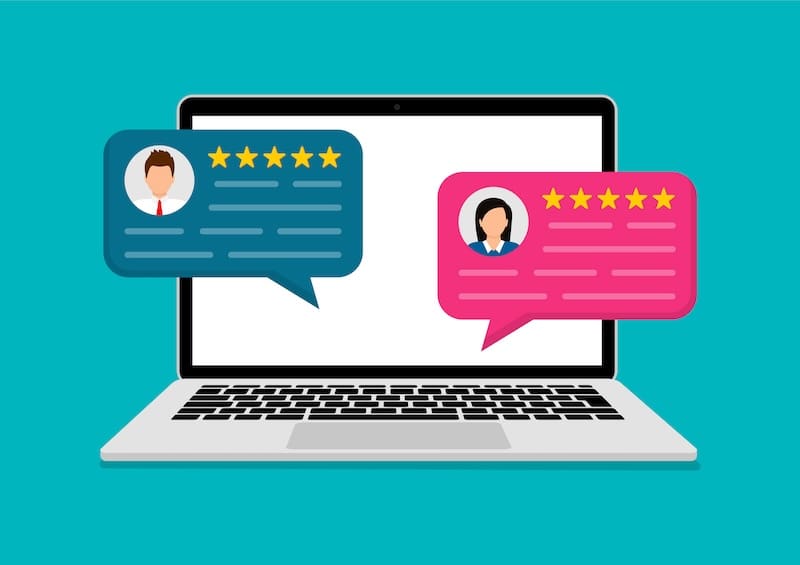
Business review sites are online platforms where customers rate and review companies based on real experiences. These sites aggregate star ratings based on customer feedback, posting results alongside business details, photos and written feedback. The goal is to help other customers make informed decisions.
Review platforms typically include the following:
- Business contact information
- Filtering tools
- Owner response features
- Photos and videos
- Star ratings on a 1-5 scale
- Q&A sections
- Written customer reviews
While some platforms are broad and apply to practically every industry, others are specific to their niches. For example, you can find review platforms that cater to the automative, home services or hospitality industries.
Why Do Review Sites Matter for Local Businesses?
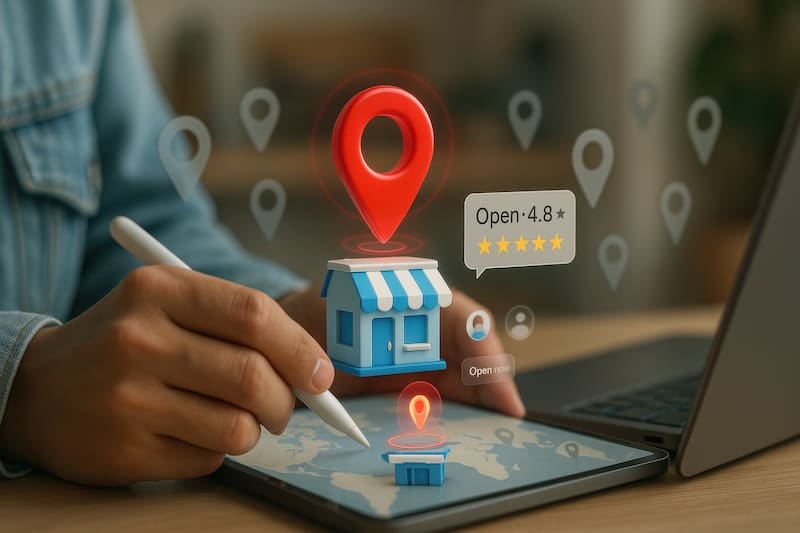
Review sites are no longer optional marketing channels for businesses. Instead, they’re core decision-making tools for prospective customers. Before someone chooses your business, whether online or in person, they’ll research your reputation online.
Review sites influence consumer behavior in three critical ways:
1. Trust and Social Proof
Think of online reviews as today’s word-of-mouth marketing. When potential customers see numerous positive experiences from real people, uncertainty is reduced and trust is built. Consumers typically look for:
- An overall star rating of 4 or more
- Detailed feedback about specific services
- Professional responses from the business owner
- Recent reviews from the past few months
If you have a strong review profile, you signal to customers that your business is consistent, legitimate and reliable.
But if your listing is outdated, you’ve left complaints unanswered, or you have a low rating, this will lead to hesitation from the customer. At that point, it doesn’t matter if your company delivers great products or excellent customer service — the customer won’t trust you, and they’ll go with a competitor.
Thoughtfully responding to all of your reviews is particularly powerful. When a business owner publicly acknowledges customer feedback, thanks consumers for their time, and professionally addresses concerns, they demonstrate accountability. This type of transparency can matter as much as the business’s rating itself. And in competitive local markets, trust can be the deciding factor.
2. Local SEO Rankings
Review sites influence more than public perception. They also directly impact your visibility in search results.
Search engines use reviews as ranking signals. Review quantity, quality and recency contribute to local search performance. Key factors that search engines look for include:
- Keyword Mentions: When customers mention products or services in their reviews, those terms reinforce relevance in related searches.
- Owner Responses: Engaging with customer reviews signals to search engines that your business listing is actively managed.
- Review Velocity: A steady flow of new reviews tells search engines that your business is active.
- Review Volume: Having a lot of reviews shows that your business is popular and relevant.
- Star Rating: Businesses with higher ratings have better click-through rates (CTR) in search results.
It’s also possible that the review platforms themselves will rank your business higher in search results. For example, if someone goes to Yelp to look for a certain type of restaurant in their area, the platform may rank well-performing business listings above others.
3. Conversion Rates and Impact on Revenue
In addition to attracting attention, higher ratings and active engagement also drive action. When consumers look at two similar businesses to decide between them, they’re likely to choose the one that has:
- More reviews
- Professional responses to negative comments
- Recent positive feedback
- The higher average rating
Even a slight increase in your star rating over the competition can improve CTR and inquiries. Think about it: A business with a 4.5 star rating is perceived as more trustworthy than a business with a 4.2 star rating.
Additionally, review sites reduce friction in the buying process. When prospective customers see proof that the company delivers consistent quality, they’ll feel more confident. That confidence can lead to more appointments, form submissions, in-store visits, phone calls or reservations.
Free Consultation
Ready to Take Control of Your Online Reputation?
Our team can help you remove, suppress, or respond to content like this. Talk to us today for a free, no-obligation consultation.
The Business Review Websites You Should Claim First
While dozens of review sites exist, businesses should prioritize high-visibility, high-impact platforms first.
1. Google Business Profile
Google Business Profile is the most important review platform for nearly every local business. Here’s why:
- Appears in the Local Pack
- Google reviews display in Google Maps
- Dominates local search results
- Influences SEO rankings
For most businesses, Google Business Profile is the single most important review platform.
Optimizing Your Google Business Profile for Maximum Impact
Because it’s such a dominant platform for online reviews, Google Business Profile deserves special attention. Here’s how to make it work for your business:
- Claim and Verify Your Listing: Verification ensures that you have control over your profile and prevents misinformation from spreading.
- Optimize Categories and Services: The primary and secondary categories you select strongly impact ranking eligibility.
- Add Photos: Businesses with photos receive more engagement.
- Maintain Updated Hours: Having your listed business hours match your actual hours of operation increases trust. It’s also important to keep holiday hours updated.
- Respond to Every Review: Responding to feedback improves trust and signals engagement to Google’s ranking algorithm.
By fully optimizing your GBP, you’ll improve visibility, increase trust and turn searchers into customers.
2. Yelp
Yelp remains influential in many industries, especially healthcare, home services and restaurants. Yelp matters because of its:
- High domain authority
- Organic search ranking
- Strong consumer trust
Together, these factors make Yelp a powerful credibility and visibility driver for businesses that are competing in crowded markets.
3. Facebook Reviews
Facebook recommendations function as social proof in your community. And while it may not be the most popular social platform, Facebook reviews still matter:
- Feedback is visible to local networks
- Influences brand perception
- Integrates with social engagement
These features make Facebook reviews an important tool for building trust, shaping reputation, and engaging your local audience.
4. Better Business Bureau (BBB)
The Better Business Bureau focuses on trust and complaint resolution. This platform matters for businesses for the following reasons:
- Displays accreditation status
- Handles dispute mediation
- Signals credibility
The Better Business Bureau is particularly valuable for service-based businesses.
5. Industry-Specific Business Review Websites
Beyond general business review sites, there are other business review websites specific to industries that drive highly qualified leads. Here are some of the leading ones to consider:
- Automotive Dealers: Review sites like Cars.com and DealerRater allow customers to explore their options before visiting a dealership in person, where they often feel on-the-spot.
- Home Services: Sites like Angi and HomeAdvisor include contractor ratings and verification, along with project-matching features to make searching easier.
- Hospitality and Travel: Review sites like Booking.com and Tripadvisor provide business listings and reviews for hotels, restaurants and other travel-related businesses, which are crucial for people visiting areas they’re unfamiliar with. Plus, booking features are typically integrated.
- Property Management and Rentals: Review sites like Apartments.com and Zillow gather ratings and reviews from tenants, which can significantly influence buying, leasing and renting decisions.
Leveraging industry-specific review sites helps businesses connect with highly targeted customers. Providers with high ratings will also build credibility in their niche, stand out from the competition and drive qualified leads.
Best Practices for Online Reputation Managing Through Reviews

For over 95% of responders, the top factor that increases trust in a company is if it has a good online reputation. And 90% of online shoppers won’t buy from a company with a poor reputation.
Managing business reviews is an ongoing process, not a one-time task. With active monitoring, responding and optimizing your presence on review sites, you can build trust, convert prospects into customers, and protect your reputation.
Today, online reputation management is more important than ever before. Get started with a free analysis here or explore our services.
Ask for New Reviews
Timing is critical when asking customers for reviews. The goal is to gather feedback when the customer’s experience is still fresh. Here are the best times to ask for reviews:
1. Immediately After They Receive the Product or Service
Satisfied customers are most motivated to leave feedback when the experience is recent. For example, a homeowner who just had their leak repaired or a diner who just got back from a great meal is more likely to respond to a review request than someone whose experience ended a week ago.
2. After They’ve Given You Positive Feedback
If a customer verbally expresses their appreciation to you or sends you a thank-you note, that’s a great time to ask them to leave a review on a platform.
3. During a Scheduled Follow-Up
Customers who haven’t yet responded to your request for a review may just not have been contacted at the right time. Schedule a simple, polite follow-up a few days later to gently push for a review again. An automated email or SMS message can make this easier on you while maintaining consistent contact with customers.
Keep this in mind: Incentivizing a review can violate a platform’s guidelines, so either avoid it entirely or make sure to go over the rules before you offer an incentive.
Set Alerts for New Reviews
Managing your reputation effectively means always knowing what’s being said about your business online. Enable notifications on your review platforms so you’re alerted as soon as new feedback is left. This allows you to promptly respond to all types of reviews. It will also clue you in to potential issues before they spin out of control.
Respond Professionally, Especially to Negative Reviews
Negative reviews are inevitable even for the best, most reliable businesses. How you handle them, though, is what determines if you’re able to turn poor feedback into a positive opportunity.
While 88% of consumers would use a business that replies to all reviews, both positive and negative, only 47% would use a business that doesn’t respond to its reviews.
Here’s a simple structure you can use for review responses:
- Acknowledge the issue to show that you understand the reviewer’s concerns.
- Apologize to show that you empathize with the customer.
- Take the conversation offline to go over the issue in more detail and offer a resolution.
- Give the customer your contact information so they can easily reach you if any other problems arise.
While you want to address negative reviews publicly to start, it’s smart to finish the conversation in private. And remember to never argue with the customer. Remain empathetic and professional, no matter what the issue is or who is actually at fault.
Content and Tone Guidelines When Responding to Reviews
Keeping your messaging consistent across platforms is what will build confidence in your brand. Companies that demonstrate brand consistency increase revenue by 10-20 percent. However, only 30% of organizations with brand guidelines actually enforce them on a regular basis.
When replying to customers, keep these tips in mind:
- Avoid using promotional or salesly language
- Keep your brand voice approachable and professional
- Make your responses concise and readable to avoid confusion
- Personalize your replies whenever possible
- Show accountability and empathy in every situation
While it’s OK to use a response template to keep messaging consistent and save you time, don’t copy-paste the same exact message for every response.
Address Fraudulent Reviews
Fake or fraudulent reviews can do a lot of damage to your business and its reputation. Most review platforms have a tool for flagging and reporting problematic reviews. If you feel you need to take this step, document evidence of the issue, follow the platform’s official procedures, and stay patient and professional as the problem gets sorted out.
Measure Your Performance Across Review Sites
Tracking certain metrics will help you evaluate how effective your review management strategy is. Stats to keep an eye on include:
- Average Rating: Monitor how your overall rating changes with time
- Response Rate: Determine if you’re consistently responding to new feedback
- Review Count Growth: You want a steady flow of new reviews
- Traffic From Review Profiles: Review listings should generate clicks and leads
Knowing which efforts are working and which aren’t delivering results will guide your strategy moving forward.
Wrapping Up
Having a solid, active presence on multiple review sites is essential for any business that’s looking to improve visibility, trust and leads. Google Business Profile is a particularly important platform for business owners, allowing them to engage with customers online and increase web traffic.
By claiming and optimizing your business listings on the review sites that matter most, you can turn online feedback into a growth engine for your brand. Consistent review and reputation management impact conversions, local SEO and long-term success. Don’t leave outcomes this important to chance.
We work with clients to help them build their online reputation and take control of their digital presence. Give us a call at 844-230-3803 to learn more about our services.
Free Consultation
Don't Let This Follow You Online
Every situation is different. Let's build a plan that fits yours — free consultation, no pressure.
You might also like
How Do Public Relations Fit Into an Online Reputation Campaign?
Google Search has always ranked web pages. Now it also explains them. Google’s “About This Page” feature changes how users …
