
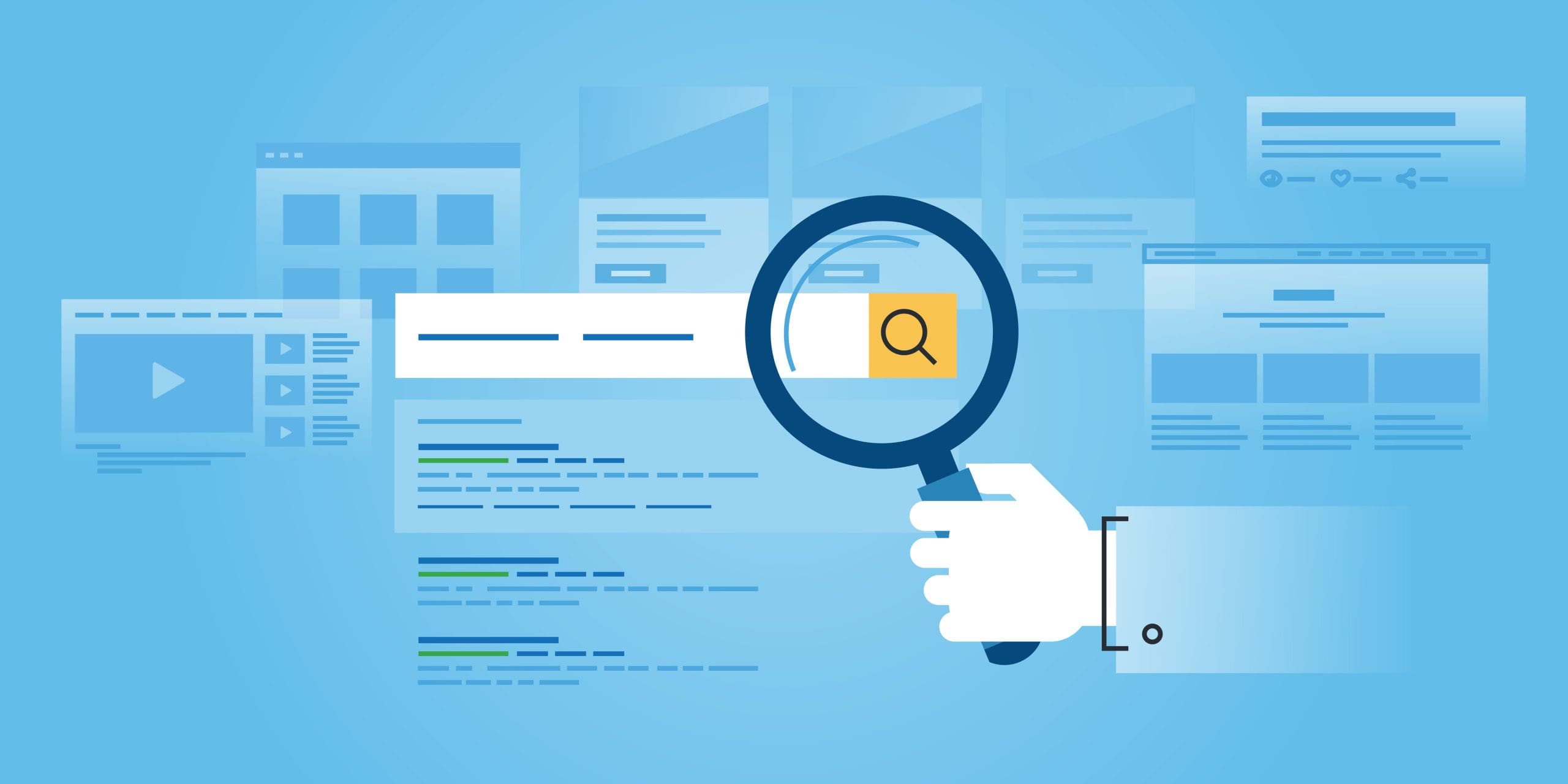
Most organizations monitor social media. They track online talk, brand sentiment, and complaints. This provides valuable signals, but it covers only a small part of the information environment.
Important data often appears first in non-public places. Leaked credentials, stolen documents, financial information, and project materials often circulate on hidden networks before they are ever mentioned in a tweet or news post. When monitoring includes these areas, not just social media, organizations gain insight earlier, respond faster, and protect program objectives with data that traditional monitoring systems miss.
This is not a technical point. It is about better monitoring, better decisions, and better outcomes.
Why Monitoring Must Extend Beyond Social Platforms
Social media monitoring shows what people are saying in public. It helps track sentiment, misinformation, complaints, or support. It can highlight issues during project implementation and support evaluation at various levels. But it does not show everything that affects performance.
Many risks are invisible on public channels. They appear:
- in private forums
- in hidden networks
- in dark web marketplaces
- in small groups that coordinate offline
When an organization relies only on social media, it sees the reaction but not the cause. This limits the ability to make timely adjustments and weakens performance monitoring. Programs may observe symptoms but not understand their origins.
What Monitoring the Dark Web Means
Monitoring the dark web means observing hidden areas of the internet where information is exchanged without open indexing. This includes:
- credential dumps
- stolen documents
- leaked donor lists
- internal reports
- operational data
These materials often relate to programs, ongoing development interventions, or allocated funds, and may surface before any public comment appears.
Monitoring systems that include both sources help decision makers answer basic questions:
- Does the data collected match what is happening offline?
- Are risks emerging before they show up on social platforms?
- Do we need to change project activities now, rather than later?
The goal is not surveillance. The goal is to provide early information to improve performance.
How This Improves Monitoring and Evaluation
Including the dark web supports program evaluation by widening the information base. It does not replace qualitative data or site visits. It complements them.
Good monitoring combines:
- site visits and field observation
- ongoing collection of specified indicators
- information from multiple entities
- context from community engagement
- digital signals that show behavior in other contexts
Social media is one source. The dark web is another source. Both contribute to a systematic collection of monitoring information.
This allows leaders to make timely adjustments rather than waiting for a formal report.
What the Difference Looks Like in Practice
A simple example shows the distinction.
A program sees comments about a service not working in one sub-national area. Staff respond, ask questions, and log qualitative data. This helps, but it may be late.
Dark web + social media:
Monitoring also detects documents being shared privately that describe resource gaps, payment delays, or worker dissatisfaction. These materials circulate before anyone posts publicly.
Leaders now have:
- earlier signals
- more accurate context
- a chance to intervene before the issue becomes visible
This improves performance and supports higher-order outcomes.
Benefits for Project Management and Evaluation
When monitoring includes both, not just social media, organizations gain:
- broader coverage across multiple projects
- faster detection of risks
- more informed decision making
- better integration of qualitative and quantitative data
- improved collaboration between stakeholders
It supports project management by identifying patterns across different contexts. It supports evaluation by validating whether program objectives are being met through multiple data collection methods, not just one.
This improves cost-effectiveness analysis, because prevention is cheaper than response.
How It Strengthens Sustainable Development Work
Climate change, migration, public health, and education are complex. They involve:
- multiple entities
- competing priorities
- changing circumstances
Traditional monitoring alone sometimes misses early warnings. Adding non-public sources gives a broader view of system behavior.
This matters for:
- the availability of services
- the extent of reach
- the quality of implementation
- the ability to allocate funds responsibly
- the evidence needed to achieve Sustainable Development Goals
A broad view helps maintain meaningful outcomes over time.
What Good Monitoring Looks Like
Good monitoring is a continuing function. It does not wait for a final report. It is integrated. It uses different monitoring tools at various levels. It collects data systematically, with attention to context.
A simple framework works:
- Collect data from social platforms
- Collect data from hidden sources
- Compare with field observations and site visits
- Share findings with the main stakeholders
- Inform decision-making through timely adjustments
This creates a feedback loop. It protects program performance and strengthens results across a wide array of activities.
Conclusion
Monitoring only social media shows part of the picture. Monitoring that also includes the dark web reveals earlier signals, greater risks, and more useful information. The goal is not complexity. The goal is clarity.
When organizations combine both sources with field evidence, they improve performance, protect outcomes, and maintain trust. They are better equipped to observe change, manage resources, and deliver meaningful results across different contexts.
That is the practical value: better decisions, based on better information.
You might also like
Dark Web Photo Search: What Risks Are Involved?
Most organizations monitor social media. They track online talk, brand sentiment, and complaints. This provides valuable signals, but it covers …
